
Sediment and material transport are fundamental drivers of river ecosystem health, coastal stability, and the structural integrity of hydraulic infrastructure. Yet, simulating these movements with high precision, especially when factoring in rapid environmental changes, has historically been a monumental computational challenge. As part of the HiDALGO2 project, the Material Transport in Water (MTW) pilot is utilising High-Performance Computing (HPC) to move beyond traditional fluid dynamics, focusing on the complex interplay between water, solid particles, and thermal energy.
Led by PhD researcher Ravi Ayyala Somayajula at Friedrich-Alexander-Universität Erlangen-Nürnberg (FAU), this pilot addresses a critical gap in current modelling: the integration of scalar transport (such as temperature) into sediment simulations. It supports the protection of livelihoods, infrastructure, and biodiversity.
The following video, recorded at the HiDALGO2 Clustering Event in Stuttgart, details the technical framework and the transition toward exascale-ready simulations, including some impressive visualisations:
Why Microscopic Understanding Matters
Traditional models often focus on the broad flow of water. However, the MTW pilot looks at the “microscopic” level to understand how individual particles interact. As Ravi explains, this level of detail is essential for several critical environmental and engineering domains that tackle global challenges:
– Cryosphere Dynamics: In Arctic regions, rising temperatures cause permafrost thawing, which causes the release of trapped organic matter and sediments. This can be particularly dangerous when it affects built areas. Precise simulations are required to predict how these processes destabilise soil and impact carbon cycling and support Climate Change Adaptation.
– Infrastructure Longevity & Safety: Sediments are primary agents of erosion. By modelling how particles interact with the surfaces of dams and hydraulic structures, engineers can more accurately predict maintenance cycles and extend the lifespan of dams and hydraulic structures.
– Protecting Ecosystems: The transport of heat and nutrients directly influences fish habitats and overall river health. Understanding how sediments move by simulating fluid-particle-scalar integration allows for a more comprehensive assessment of water quality.
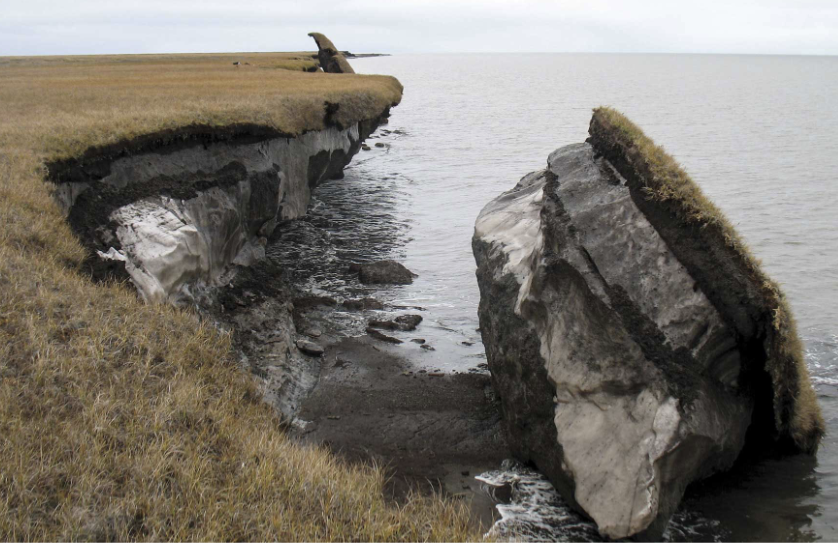
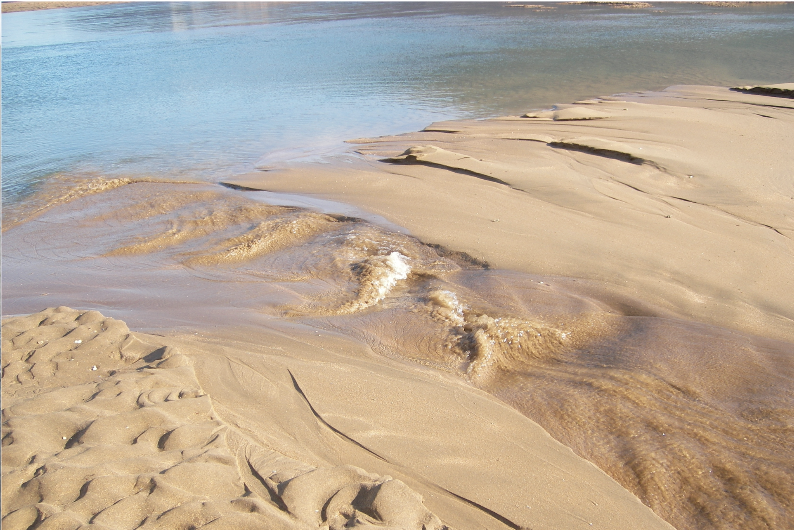
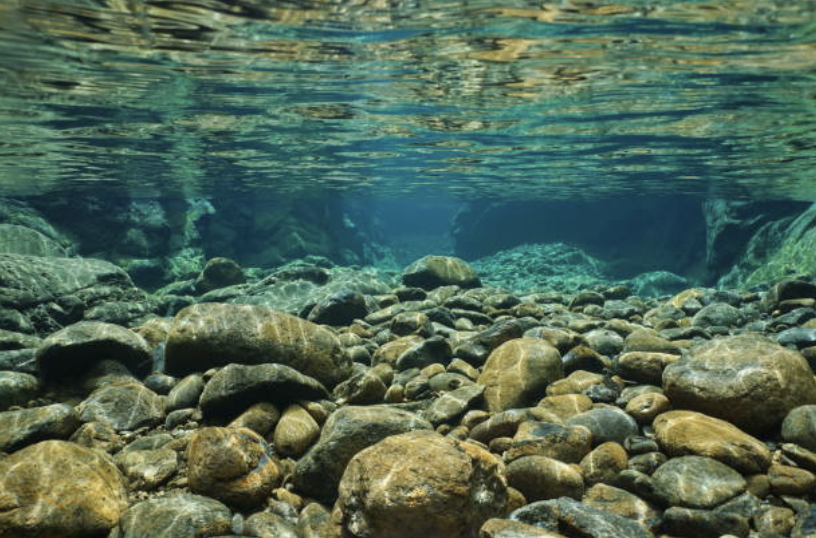
A key highlight of the HiDALGO2 work is the integration of temperature into sediment simulations. By studying how heat impacts water quality through “fluid-particle-scalar” integration, researchers can now predict how thermal changes—driven by industry or climate change—will affect aquatic life and water safety.
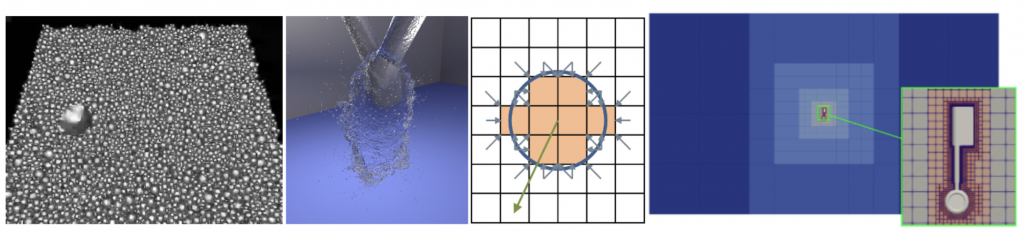
Working towards Exascale Computing
To achieve the necessary resolution, the team utilises a sophisticated software stack designed for the Exascale era:
– waLBerla: A high-performance C)+ multiphysics framework capable of simulating complex particulate and turbulent flows.
– lbmpy: An automatic code generation tool for Lattice Boltzmann kernels that ensures the software runs at peak efficiency, on both CPUs and GPUs, on any hardware.
– Massive Scaling: The framework has already demonstrated its power by scaling across thousands of GPUs (more than 2,048 GPUs ($2^{11}$) on top-tier systems like the LUMI supercomputer.
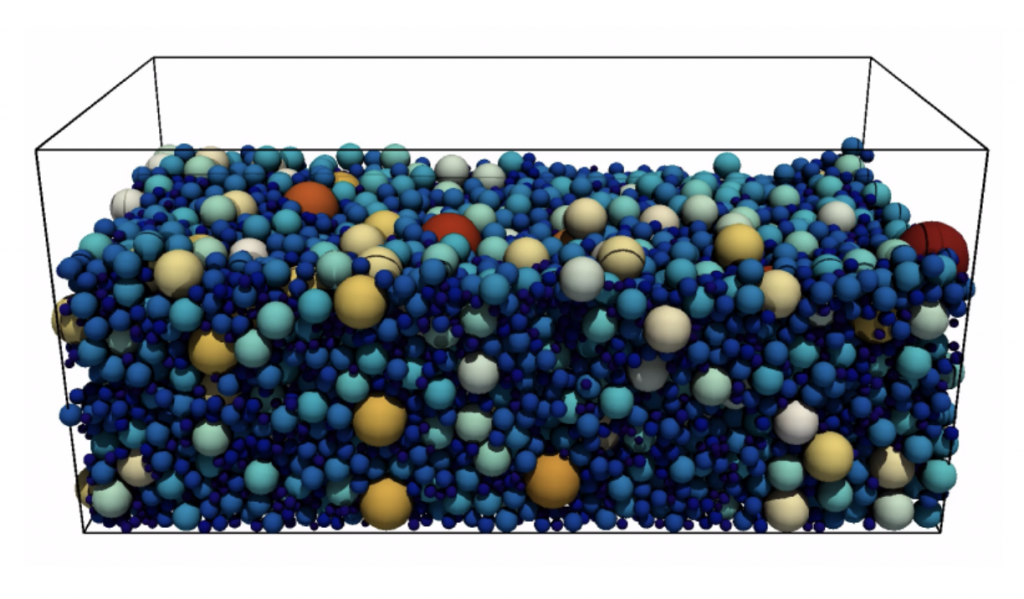
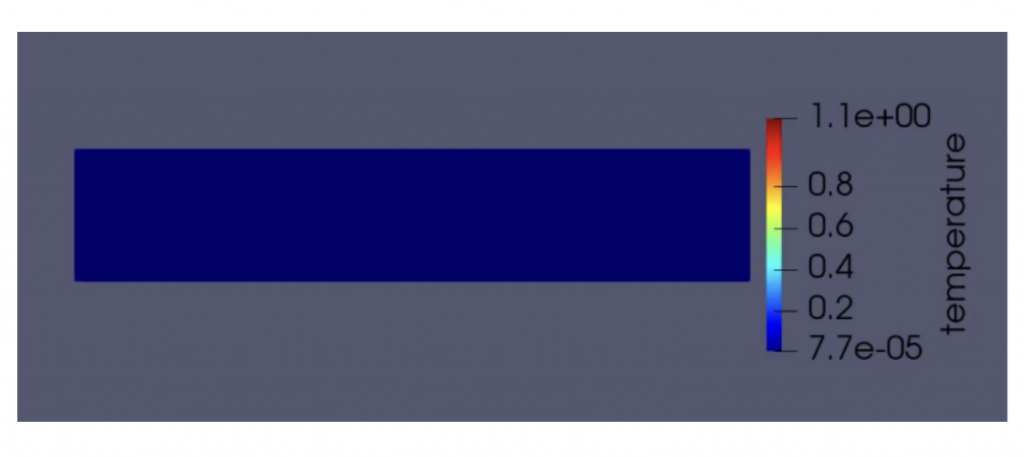
For a deep dive into the technical framework of this pilot, visit our webpage dedicated to the Material Transport in Water Pilot
Industrial Applications and Next Steps
The beauty of the waLBerla framework lies in its versatility. The methods from the MTW pilot can also be used in heavy industry, applying the same technology used for riverbeds:
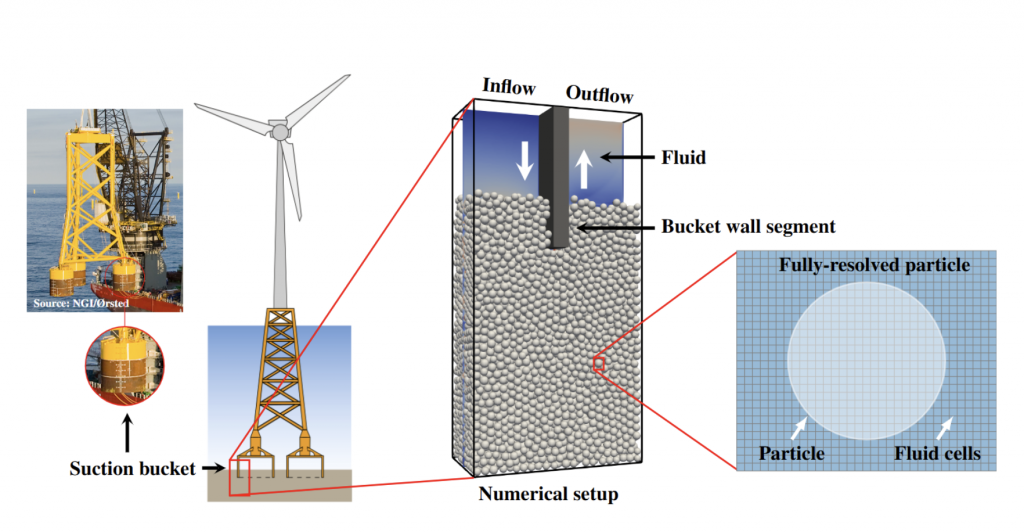
1. Renewable Energy: Modelling the fluidisation of granules around suction buckets—foundations used for offshore wind turbines—to prevent structural failure due to seabed erosion.
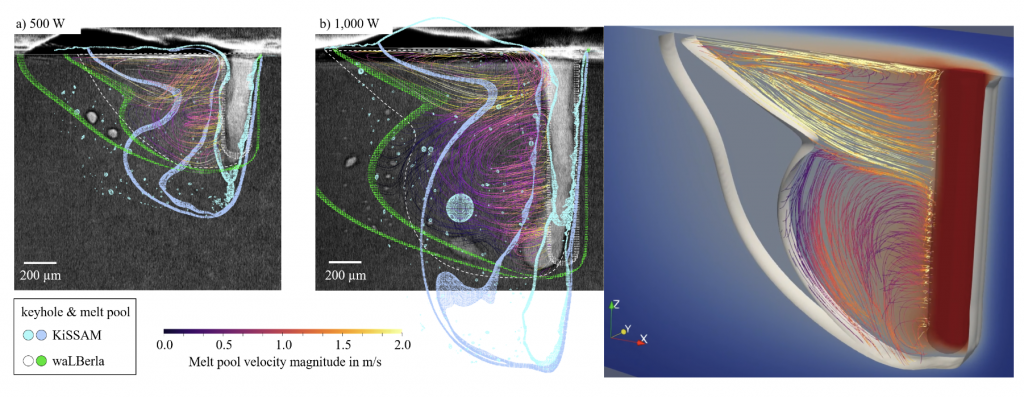
2. Advanced Manufacturing: Advanced Manufacturing: Predicting laser beam welding pools in 3D, providing data that physical experiments simply cannot capture in three dimensions.
The success of a technical pilot is measured not just by code, but by its impact on society and industry. The MTW pilot is currently focused on the Exploitation phase, which involves translating these computational capabilities into accessible tools for external stakeholders.
The MTW pilot is just one example of how HiDALGO2 is tackling global challenges. Stay updated on our progress:
LinkedIn: HiDALGO2 Project
X (Twitter): @HiDALGO2_EU
Website: hidalgo2.eu
About the Contributors
The core team of behild this research includes Harald Köstler and Shubham Kavane, from the Friedrich-Alexander-Universität Erlangen-Nürnberg (FAU). The article is edited by Georgia Nikolakopoulou and Kyriaki Daskaloudi, from Future Needs, leading Dissemination and Exploitation in the HiDALGO2 project. The presentation video was recorded in the HiDALGO2 Clustering Event in November 2025, in Stuttgart, organised by Future Needs.